
Craig Black’s first memories of gambling are innocent enough.
As a teenager, he and his friends joined sports pools organized by the adults around them. The stakes were small: $5 or $10 to pick winning teams during tournaments or playoffs, with someone winning the pot at the end. ”It felt fun and harmless,” the 53-year-old Toronto dad recalls.
Then, in 1992, Pro-Line came along. The Ontario sports lottery game, known as Oddset in British Columbia and Mise-O-Jeu in Quebec, requires players to fill out sheets and pick the winners of different games.
In what felt like a natural extension of those early pools, Pro-Line “became something my friends and I did regularly,” Craig says. “We didn’t think twice about it becoming a problem.”
When a casual pastime becomes a risk
For many Canadian men, that casual beginning may sound familiar. But new research from the Canadian Men’s Health Foundation and Intensions Consulting suggests the line between recreational gambling and risk can be thinner than many people realize.
In a national survey of 2,000 Canadian men, one in six were found to be at high risk for problem gambling related harms. Young men between 19 to 29 were especially vulnerable with 35 percent falling into the high-risk category — more than double the national average. Fathers were also more likely to be at risk with 29 percent in the high-risk category.

For Craig, what began as a casual activity among friends gradually became something more intense. His group would exchange picks, talk through ideas and follow games closely. The first big win brought a rush, and with it a sense of confidence that they knew what they were doing.
At the time, gambling gave Craig something to focus on. After university, he worked in a field that came with downtime and with plenty of opportunities to study numbers, check stats, text friends and build a sense of strategy around games. “It was entertainment, but it also started to feel like a challenge and, at times, like a side job.”
The warning signs
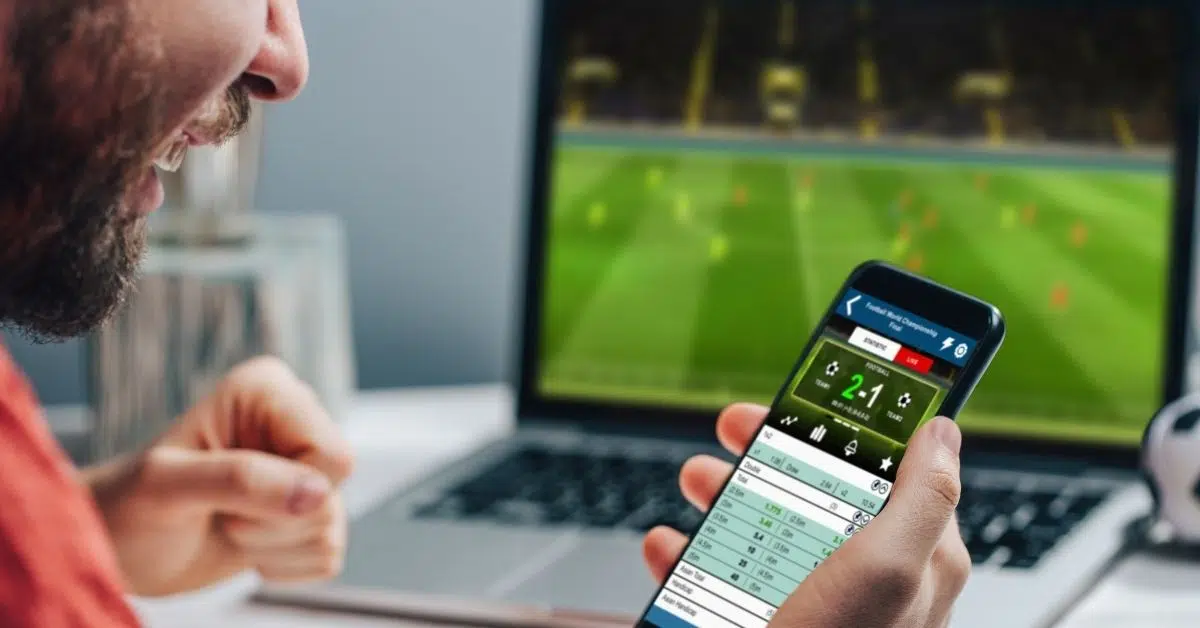
The shift from pastime to problem didn’t happen all at once. Bit by bit, gambling began taking up more of Craig’s attention. He found himself checking scores on his phone more frequently, calling friends for updates around the clock, and planning his weeks around all sorts of different teams and games. “It became more overwhelming than just some side hobby,” he says. “It became a main focus.”
One wake-up call came after a friend claimed to have a “lock” — gambling slang for a bet that supposedly cannot lose. Craig now sees that thinking for what it was: “Locks don’t exist.”
The bet didn’t come through, and the fallout fuelled tension among Craig and his friends. What had once been a shared pastime became an ongoing battle that eventually divided friendships and made Craig realize how serious things were.

Another troubling moment came at a birthday party. Craig stepped out to submit a Pro-Line ticket before the games started. When he returned, the cake had already been brought out and the celebration had happened without him. His girlfriend was upset, and Craig could see why.
Gambling was no longer something that fit into his life. As time went on, his life kept getting interrupted by urges to place bets or check scores.
More than a money problem
That kind of disruption can extend far beyond finances. According to the new research, men at risk of problem gambling are nearly twice as likely to report moderate-to-high anxiety than low-risk gamblers. They are also more than 2.5 times as likely to report moderate-to-severe depression.
Owning his struggles wasn’t easy for Craig. “You never want to admit that gambling has become a problem, but when you start to review situations in your life where it has caused trouble between friends and family, you realize it’s getting out of control.”
Craig’s first step was reaching out to a friend who was in recovery through Alcoholics Anonymous. Although Craig’s issue wasn’t alcohol, he wondered whether some of the same tools could apply. His friend offered advice from his own recovery journey, and Craig began building a “toolkit” to use.
Building your recovery toolkit
Some of those tools were simple: going for a walk without a phone instead of placing a bet, turning off the phone while spending time with friends, and playing sports instead of only watching them with a bet on the line.
Over time, those habits helped Craig change his relationship with sports. He eventually reached a point where he could watch a game without thinking about betting on it. Sports became enjoyable again on their own terms.
That shift also changed his relationship with stress. Craig realized that the constant need to check scores, monitor outcomes and stay on top of bets was no longer fun. Instead, it was making him anxious.
Moving away from gambling meant learning to be present again with friends, family and himself. It also meant rebuilding trust in his own judgment, which took time. “You feel a sense of confidence that you’ve got this,” he says. “But often you don’t.”
Self-reflection became important. So did journaling and recognizing the difference between confidence and control. Craig’s recovery didn’t happen overnight. It took time and space to make changes in his life.
Finding a way forward

For anyone who knows they have a gambling issue but is struggling to change, Craig offers this advice: “If you can build a toolkit that you can refer to when you feel that temptation, it goes a long way.”
Two more key steps, he adds, involve building support around yourself and being willing to be honest about how real the problem is.
Today, Craig sees a very different gambling environment than the one he encountered in his thirties. Online sports betting has made gambling more accessible, but it has also come with more guardrails. “The conversation around gambling has become more open and less stigmatized,” he says.
That openness matters. Gambling problems can escalate quietly behind a mask made of sports fandom, friendly banter and believing that the next bet is sure to be a winner. Craig’s story shows how easily that line can shift, and how meaningful it can be to notice, reach out and begin making changes.
As well as gaining self-awareness, self-confidence, discipline and resilience, Craig is left with a sense of gratitude. “I’m grateful I was able to step back and see what gambling was taking from me before it took even more.”
Gambling help for Canadians
If you need to connect with someone or simply want more info or support for problem gambling in Canada, the Responsible Gambling Council has an excellent list of free resources listed on its website. You can check that out here.
The Canadian Men’s Health Foundation also offers free counselling in AB, BC, ON and QC which you can access through our MindFit Toolkit.
Feeling off?
Start here.
Free tools to help you deal with stress, anxiety, and tough stretches.