When wildfire smoke settles over a community, the danger can push past the front door.
Fine particles can enter homes, workplaces and community buildings, leaving people with respiratory conditions especially vulnerable. Commercial air purifiers can help, but they can also be expensive, difficult to find during wildfire season and costly to maintain.
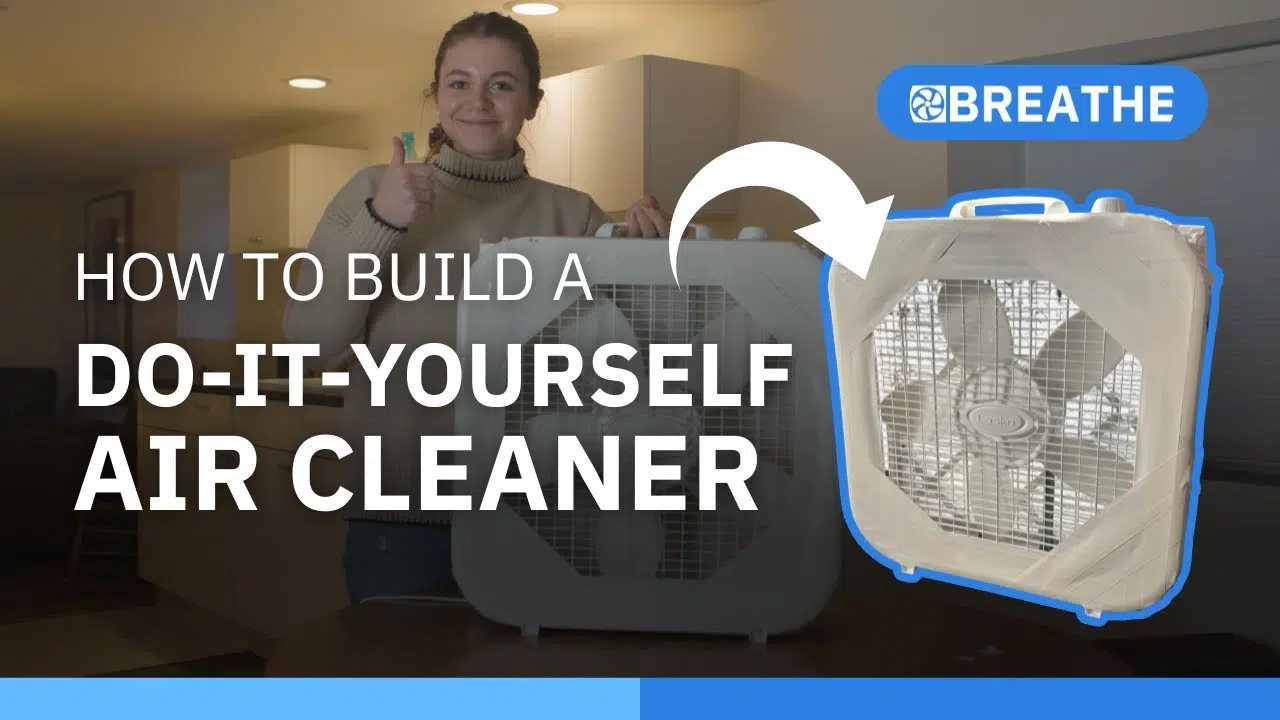
The BREATHE Project offers a surprisingly straightforward alternative: Teach people how to build an effective air cleaner using a box fan, a high-quality furnace filter and duct tape.
“This project is great for people who are concerned about indoor air quality but can’t afford expensive machines or don’t want to be stuck continually buying costly replacement filters,” says project lead Dr. Anne-Marie Nicol, an epidemiologist and associate professor at Simon Fraser University (SFU).
The project is a collaboration between SFU and the BC Lung Foundation. Its workshops aim to reach people who may be more vulnerable to poor air quality such as older adults, people with asthma or chronic obstructive pulmonary disease (COPD), and lower-income households.
But the project is doing more than clearing smoke from indoor spaces. Its hands-on approach is also providing a tangible way to take action, care for others and strengthen connections within communities.
From the pandemic to wildfire smoke
BREATHE grew out of research conducted during the COVID-19 pandemic, Nicol explains. As researchers learned more about airborne transmission, simple DIY air cleaners (also known as Corsi-Rosenthal boxes) were developed and used to remove COVID viruses from classrooms and other indoor spaces.

Realizing that the DIY cleaners could also help address the wildfire smoke so often seen in B.C., Nicol contacted Dr. Richard Corsi, one of the engineers behind the original design, to confirm that the concept could be adapted for wildfire conditions.
A small pilot workshop quickly showed the demand across B.C. communities. Nicol and her student team encountered packed rooms, lineups and more requests than they could accommodate. “The materials have always been free at the workshops and the response has been overwhelming,” she says.
The project eventually received provincial support to distribute materials for approximately 1,700 air-cleaner units and bring workshops to communities around the province.
Why men have embraced the project
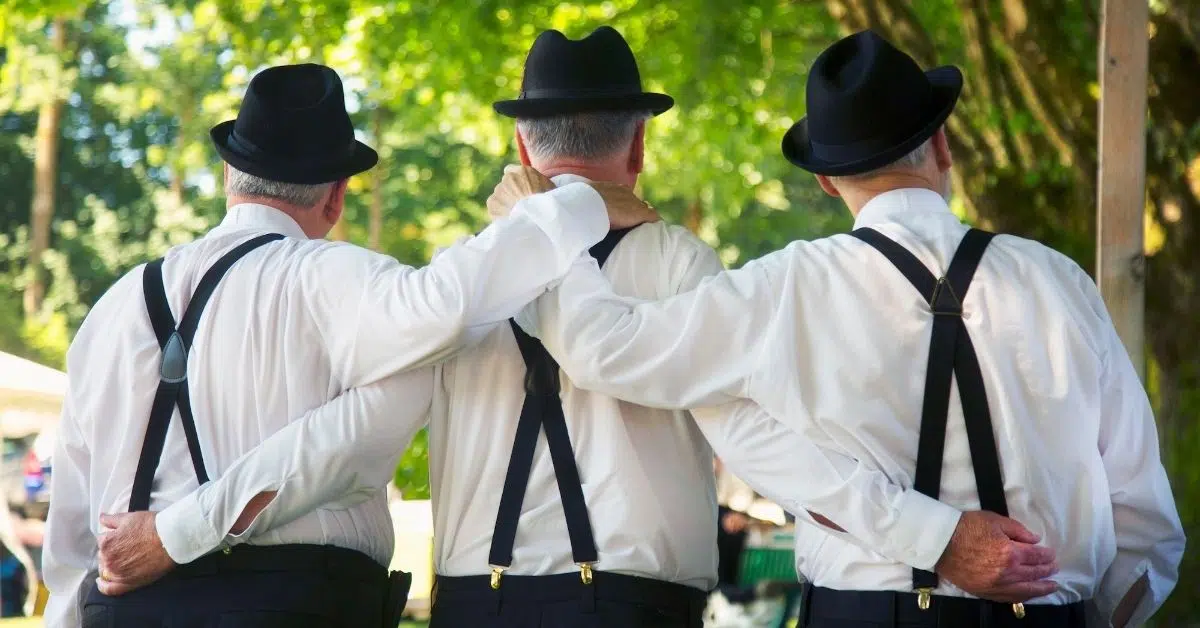
Although BREATHE wasn’t created specifically for men, Nicol has noticed that men are often among its most enthusiastic participants and advocates.
Some are retired engineers, tradespeople, hobbyists or natural DIYers who enjoy the technical nature of the workshop. The basic construction process gives them a clear task, a useful finished product and knowledge they can pass along to others.
More importantly, it offers a sense of free will.

“Climate-related emergencies can leave people feeling anxious and powerless,” Nicol says. “Wildfire smoke is visible, difficult to escape and increasingly common. Building an air cleaner gives people something practical they can do to protect themselves and the people they care about. For men in particular, it’s about agency and being able to take on some responsibility and control over what is happening.”
Men have frequently arrived at workshops with wives or family members who have COPD, asthma or other health concerns. In seniors’ complexes, some participants have gone on to build additional units for neighbours who could not easily make their own.
Nicol says she repeatedly sees tech-savvy men become unofficial workshop assistants by helping older adults or participants with arthritis assemble their units. “It’s about agency and compassion and equity,” she says.
That combination matters. Men are often encouraged to support their health through habits such as exercising more, eating well or seeing a doctor. BREATHE shows that health-promoting action can also be communal: learning a skill, protecting a family member and using your abilities to help someone else.
One man’s lasting contribution
Among the participants who stand out to Nicol is Rick Medley, who is living with advanced COPD and needs a double-lung transplant.
Despite his own serious condition, Rick became deeply committed to helping others breathe more easily. He and his daughter waited for materials to go on sale, built six air cleaners and donated them to children with asthma.
“He was so taken with this project,” Nicol says. “He has continued to do this while he’s still alive.”
His story captures the spirit BREATHE can inspire. A person facing an overwhelming health challenge found a manageable, meaningful way to improve the lives of others.
The workshops have also attracted support from firefighters and fire chiefs. At one recent event on Cortes Island, fire trucks were moved out of the hall so tables could be set up for community members. Some of the completed units were then donated to people who had difficulty leaving their homes.
Nicol believes fire departments have the potential to play a larger role in teaching people how to protect themselves from smoke.
More than an air cleaner
A BREATHE workshop provides a physical product, but its benefits don’t stop there.
Participants work beside neighbours, ask questions and share their own experiences with wildfire smoke and its risks. Organizers have learned to book rooms for longer than the project requires because people often stay afterward to talk. “People are lonely, and they’re not used to seeing their neighbours. This brings people together in an unthreatening way,” Nicol adds.
The project has also worked with a Men’s Shed, part of a broader movement that brings guys together around tools, repairs and shared projects. These environments can support mental and social well-being without requiring men to directly discuss their feelings.
Instead, conversation develops naturally while people work toward a common goal.
“BREATHE workshops are tactile, and participants leave with the satisfaction of having solved an immediate problem,” Nicol says, adding that she frequently leaves the sessions feeling inspired by the cooperation and generosity she witnesses.
Taking action before the smoke arrives
When it comes to wildfires, Nicol’s most important advice is to prepare early. When smoke begins affecting a region, commercial air cleaners and replacement filters often sell out. People should purchase the necessary materials before conditions worsen, particularly if someone in the household has asthma, COPD or another respiratory condition.
The BREATHE design uses an inexpensive MERV 13 furnace filter — available in just about every home improvement store — matched with an appropriate fan. Nicol cautions that the specifications matter: a stronger filter or weaker fan will not necessarily produce better results.
The project’s smaller units are generally suited to bedrooms or similarly sized spaces. Larger rooms may require multiple units or a larger Corsi-Rosenthal design with four filters and one fan.
Air filtration can also help beyond wildfire season by reducing pollen, dust and other small airborne particles. Canadians spend much of their lives indoors, yet indoor air quality is frequently overlooked.
“There’s this concept that your house is a safe space,” Nicol says. But smoke from wood stoves, cooking emissions, candles, incense, outdoor traffic pollution, and other contaminants can all affect indoor air quality.
A model that could spread across Canada
Nicol would eventually like to see free BREATHE workshops offered every spring in wildfire-prone communities across Canada.
The project has already developed a train-the-trainer model so municipalities, nonprofit organizations, community groups and local leaders can host workshops themselves. Its resources are designed to be shared, adapted and put into practice without Nicol or her immediate team having to lead every session.
Scaling the model would help address a growing health problem: Wealthier households tend to have an easier time purchasing AC systems and/or travelling away from smoke, while lower-income homes meet more barriers when doing the same. Seniors and those living with disabilities or chronic health conditions also tend to have fewer options.
“One fan, one filter and one roll of tape may seem like modest tools,” Nicol says, “but in the hands of an engaged community they can become a powerful expression of care.”
Feeling off?
Start here.
Free tools to help you deal with stress, anxiety, and tough stretches.