Skip to content
  • Start HereExpand
    • ArticlesExpand
      • All Articles
      • Get Active
      • Eat Healthier
      • Lower Stress
      • Sleep Better
      • Drink Less
      • Quit Smoking
    • Learn Your Health RisksExpand
      • Men’s Health Check
    • Explore Mental Health ToolsExpand
      • MindFit Toolkit
    • PodcastsExpand
      • Don’t Change Much Podcast
  • LearnExpand
    • Men’s Health Research
    • Men’s Health Conditions
    • Men’s Health Checklist
    • Healthy Eating Guide
  • National Champions
  • About CMHFExpand
    • About Us
    • Our Partners
    • Our Team
    • Press Releases
    • Careers
    • Rick Blight Scholarship
  • Ways to GiveExpand
    • Donate Today
    • Start a Team Fundraiser
    • Start a Fundraising Event
    • Partnership Opportunities
    • Donor Profile
    • Suspenders On
  • Français
Donate
Canadian Men's Health Foundation
Donate

In my practice, I see it all the time — rigid rules, aggressive calorie counting and crash fads built on the promise of fast results. But whether your goal is dropping pounds or bulking up, rapid physical transformation rarely leads to lasting health. Long-term weight management relies on habit building while also fundamentally reforming your daily relationship with food (for the better).

Three things to know

  • Knowing what to eat isn’t the same as doing it consistently. Stress, busy routines and subconscious habits can all influence our food choices.
  • Extreme diets and bulking plans aren’t necessary for long-term results. Sustainable habits that support muscle and overall health are more useful than chasing rapid changes.
  • Small, repeatable habits matter more than perfection. Creating a realistic minimum you can stick to, even on difficult days, can make healthy choices easier to maintain.

As Clinical Lead for the TELUS Health Weight Management Program, my work bridges evidence-based medical care with practical lifestyle coaching. Early in my career as a family physician I spent years treating chronic conditions like high blood pressure, high cholesterol, diabetes and joint pain. Then, I quickly realized that weight and lifestyle habits were massive factors. 

Most of the clients I saw actually understood basic nutrition, but they couldn’t bridge the gap into making it a daily reality. That realization led me to complete my certification in obesity medicine and dive deep into the psychology of behaviour change.

The psychology of eating: why “knowing” isn’t “doing”

Knowing what to eat is simple in theory, but stress, busy routines and subconscious habits can drive our actual choices. Some guys trying to gain mass fall into all-or-nothing thinking traps just as often as those trying to lose weight. They rely on forcing themselves into hyper-rigid eating schedules which can damage their relationship with food.

When I work with patients I help them move past these restrictive mindsets by asking two core questions:

  1. What outcome do you actually want? Most men want functional strength and lean muscle mass, not just a bigger number on the scale or forced weight gain. Pushing extreme mass gainers or aggressive calorie gaps often causes digestive issues and stress rather than clean, quality muscle growth.
  2. How long do you want the result to last? Extreme bulking cycles and crash diets only offer temporary changes. I focus on your overall lifestyle — what you choose to eat on a tired Tuesday afternoon when you have zero energy left.

Why quality muscle gains matter

Focusing on functional strength and thoughtful protein intake builds muscle mass which has a wide range of lasting benefits. Maintaining muscle mass has so many major benefits along with building a stronger immune system, it reduces stress and improves longevity and overall energy levels — all without needing extreme changes. I work with clients to go over how you can get there and what approaches will get you there. These can include (but aren’t limited to):

Focus AreaSustainable ApproachesVs. “All-or-Nothing” Risks
Nutrient QualityWhole foods, lean proteins, healthy fats (nut butter, seeds) and versatile plant proteins like tofu or edamame.Over-reliance on heavily processed or restrictive foods.
Metabolic HealthPreserving lean tissue, supports natural hormone balance and keeps your energy baseline steady.Erratic blood sugar spikes and energy crashes from extreme dietary swings.
Long-Term FunctionBuilding functional strength and joint health so you stay strong and independent into your 80s and 90s.Excessive weight gain and physical stress caused by aggressive cycles.

Easy eating habits for long-term impact

I advocate for small, highly repeatable routines instead of trying to overhaul your entire lifestyle overnight. Here’s what that can look like

  • Start small and specific – Pick one clear focus point. Adding a reliable protein source to your current meals is far more effective than starting a massive, complex meal-prep plan you’ll abandon in two weeks.
  • Establish a “floor” – On high-energy days, cook a full meal or hit a 60-minute workout. On exhausted days, lean on your floor—do a 5-minute movement routine or grab a simple, healthy option like microwaving edamame or blending tofu into a simple sauce.
  • Adjust your environment – I tell my patients to eliminate friction. Stock your kitchen with easy, nutrient-dense staples (like eggs, cottage cheese, nuts, canned fish) to remove decision fatigue after a long day.

Understanding your own eating patterns 

Something else I teach my patients is how to identify their daily eating patterns without moral labels, shame or self-criticism. Below is a list of the most common types I see: 

  • The afternoon slump – That energy crash that usually shows up between 1:00 PM and 4:00 PM is completely normal due to natural hormone shifts. Managing it with a protein- and fibre-focused snack keeps you from feeling ravenous when you get home.
  • Skipping breakfast – Skipping morning meals often compromises your total daily protein intake, making it harder to build muscle or maintain steady energy.
  • Fearing processed foods – Just because human hands touched a food doesn’t mean it’s unhealthy. Convenient options like tofu or cottage cheese are healthy, easy ways to meet your nutrient goals. Plus, a little bit of junk food is OK to treat yourself to!

Scaling up the steps

Look, we don’t live in a lab, and our caves are pretty comfortable these days—you don’t need to suffer through extreme diets or force 60-minute gym sessions when you’re completely burnt out. True health gains come down to working with your brain instead of constantly fighting it.

Stop worrying about getting an A+ every single day. Instead, define your absolute minimum “floor,” protect your muscle mass and give yourself credit for showing up. Even if that just means swapping fries for a side salad or throwing together a 5-minute microwave meal. When you focus on small, repeatable wins that fit your real life, consistency stops being a battle and just becomes who you are.

So if you’re ready to trade all-or-nothing diet traps for a practical, smart approach to your health, here are some places you can start:

TELUS MyCare Weight Management: Get connected with our team for personalized, evidence-based medical care and practical lifestyle tools built around your actual daily routine (available in AB, BC, and ON)

Thrivology with Dr. Lisa Ma: Check out my latest videos on mind-body health, habit psychology, and actionable strategies for bridging the gap between knowing what to do and actually doing it.

Whether you’re stepping back from alcohol entirely, cutting down or simply alternating drinks during a night out, the non-alcoholic (NA) landscape has come a long way. The days of settling for overly sweet fruit juices or soda water with a splash of lime are long gone.

“It’s amazing how far this industry has come,” says Enrique Rodriguez, the Zero-Proof Beverage Specialist at Mocktails. “The goal isn’t just skipping alcohol — it’s become about maintaining the rituals and the full-bodied flavour experience of a great drink.”

Why zero-proof spirits belong in a shaker, not just a glass

If you’ve ever tried a zero-proof spirit straight over ice you might have felt underwhelmed. Rodriguez points out that non-alcoholic spirits are fundamentally crafted for mixing, not sipping neat.

When spirits like tequila are made, producers often use real dealcoholized agave or add subtle heat sources (like a hint of jalapeño extract) to replicate the natural bite and warmth your tongue expects from alcohol. “Once everything is in the mix, it tricks your brain. You get all the layers, body, and balance of the classic drink without the booze,” Rodriguez explains.

So to get you rolling on a new and improved idea, here’s a curated list of eight tried-and-true recipes that you may already know and love — and they’ll leave you asking for more.

1. The (new) Old Fashioned

The Old Fashioned is the ultimate test of balance. It’s sweet, bitter and rich. Because zero-proof whiskey lacks the natural ethanol burn, combining the spirit with quality bitters and citrus oil brings back the weight and body of the classic pour.

Suggested NA spirit: Free Spirits Bourbon or Mad Moose Whiskey alongside Bark & Bitter Aromatic Bitters.

Ingredients

  • 2 oz NA bourbon spirit
  • 1 teaspoon of simple syrup 
  • 2-3 dashes NA aromatic bitters
  • A sliced orange peel and cocktail cherry for garnish

How to make it:

  1. Add the simple syrup, bitters and NA bourbon spirit to a mixing glass filled with ice.
  2. Stir gently for 20–30 seconds until well chilled.
  3. Strain into a double rocks glass over a single large ice cube.
  4. Squeeze the oils of an orange peel over the glass, rub the rim then drop it in alongside a cherry.

2. Gin-style dry Martini

“Gin alternatives are among the best zero-proof spirits on the market because botanicals translate so cleanly through distillation,” notes Rodriguez. This dry martini mocktail stays true to its aromatic, juniper-forward roots.

Suggested NA spirit: Free Spirits Gin or Empress 1908 0.0 paired with Roots Divino Vermouth Bianco

Ingredients

  • 2.5 oz NA gin spirit
  • 0.5 oz NA dry vermouth alternative
  • 1 dash orange bitters
  • Lemon twist or green olive for garnish

How to make it:

  1. Pre-chill a martini or coupe glass.
  2. Combine the NA gin, dry vermouth alternative and orange bitters in a mixing glass with plenty of ice.
  3. Stir rapidly until frosted on the outside.
  4. Strain into your chilled glass and garnish with a lemon twist or olive.

3. A Free-spirited Manhattan

Robust and herb-forward, a great Manhattan relies on a strong base spirit paired with rich vermouth notes.

Suggested NA spirit: Cut Above Zero Alcohol Whiskey with Undone Sweet Vermouth or Roots Divino Vermouth Rosso

Ingredients:

  • 2 oz Non-Alcoholic Whiskey Spirit
  • 1 oz Non-Alcoholic Sweet Vermouth Alternative
  • 2 dashes Aromatic Bitters
  • Brandied Cherry for garnish

 How to make it:

  1. Combine the NA whiskey, sweet vermouth alternative and bitters in a chilled mixing glass with ice.
  2. Stir thoroughly until iced.
  3. Strain into a cocktail glass.
  4. Garnish with a single luxury cherry.

4. The Mojito mocktail

Bright, herbaceous, and endlessly refreshing, this zero-proof take on the classic Cuban cocktail relies on fresh mint, crisp lime, and smooth cane notes without the heavy alcohol footprint.

Suggested NA spirit: Lyre’s White Cane Spirit

Ingredients:

  • 2 oz NA white rum alternative
  • 1 oz fresh lime juice
  • 0.75 oz simple syrup
  • 8-10 fresh mint leaves
  • High quality club soda to top

How to make it:

  1. Gently muddle the fresh mint leaves with the lime juice and simple syrup in a highball glass to release the oils (avoid shredding the mint).
  2. Add the NA white rum spirit.
  3. Fill the glass three-quarters full with crushed ice and stir well to combine.
  4. Top with club soda, add more crushed ice, and garnish with a generous sprig of mint and a lime wheel.

5. El Diablo

Bold, tart and spicy. The El Diablo showcases agave flavours lifted by ginger beer and blackcurrant.

Suggested NA spirit: Almave Humo or Undone This Is Not Mezcal

Ingredients:

  • 1.5 oz NA tequila or mezcal
  • 0.5 oz creme de cassis syrup (or rich blackcurrant syrup)
  • 0.5 oz fresh lime juice
  • 3–4 oz high-quality ginger beer (like Thomas Henry Ginger Beer)
  • Lime wheel for garnish

How to make it:

  1. Shake the NA agave spirit, lime juice and blackcurrant syrup with ice.
  2. Strain into a highball glass filled with fresh ice cubes.
  3. Top with spicy ginger beer and gently stir once.
  4. Garnish with a lime wheel.

6. An always-savoury Caesar

A Canadian classic that is naturally well-suited for a non-alcoholic build. Because savoury ingredients carry the profile, you get all the spice and body without losing anything in translation.

Suggested NA spirit: USKO Original 0.0% Vodka or Sobrii 0-Gin

Ingredients:

  • 1.5 oz NA vodka or gin
  • 4–5 oz Clamato juice
  • 3 dashes Worcestershire sauce
  • 2 dashes your favourite hot sauce
  • 0.5 oz fresh lemon juice
  • Celery salt & steak spice for rim garnish

How to make it:

  1. Rim a highball glass with a lime wedge and dip into a celery salt/steak spice mix.
  2. Fill the glass with ice.
  3. Add the NA spirit, lemon juice, Worcestershire and hot sauce.
  4. Top with Clamato juice and stir well.
  5. Garnish with a celery stalk, pickled bean or lime wheel.

7. Dark ’n’ Stormy with a clear bite

The success of this drink relies on the contrast between dark, molasses-heavy rum flavours and punchy ginger beer.

Suggested NA spirit: Caleño Dark and Spicy

Ingredients:

  • 2 oz NA dark rum
  • 0.5 oz lime juice
  • 4 oz premium fiery ginger beer
  • Lime wheel for garnish

How to make it:

  1. Fill a tall glass with ice cubes.
  2. Pour in the ginger beer and lime juice first.
  3. Slowly float the dark rum alternative over the top using the back of a bar spoon to create a layered “storm cloud” effect.
  4. Garnish with a lime wheel and stir before drinking.

8. The Godfather

Simplicity at its finest: whiskey character softened by sweet, nutty amaretto vibes.

Suggested NA spirit: Crossip Dandy Smoke paired with The Pathfinder Spirit amaretto alternative

Ingredients:

  • 1.5 oz NA whisky
  • 0.75 oz amaretto alternative
  • Orange twist for garnish

How to make it:

  1. Pour directly in a rocks glass filled with large ice cubes.
  2. Pour in the NA whisky and NA amaretto.
  3. Stir slowly for 15–20 seconds to dilute slightly and combine.
  4. Express an orange peel over the glass and drop it in.

Quality choices that include everyone

When shopping for zero-proof alternatives, quality matters. “If you try a poor-quality product early on, it can give you a bad impression of the entire non-alcoholic craft,” says Rodriguez.

Look for brands that prioritize real dealcoholization techniques or natural extracts rather than artificial syrups. The right bottle transforms a mocktail from a simple compromise into a genuine ritual.

For Enrique, what drew him to become passionate about NA drinks was his partner, Angela Hansen, becoming sober. Once Angela realized how limited selections could be, she saw an opportunity to build a space where people could try and learn about quality zero-proof options

Though Enrique was initially cautious about entering such a new retail category, he supported her vision from day one. He’s helped build the business behind the scenes and curated their lineup. He still drinks alcohol from time to time, but he’s embraced the world of NA drinks and how they can include everyone during a celebration.

So whether or not you’re zero-proof or just watering things down, there’s an ever-growing list of NA alternatives that are so well crafted you won’t even tell the difference!

This article was originally published in 2022 and has since been updated to include new research and findings.

Your liver is one of the only organs that can regenerate itself, and if damage isn’t extensive it can heal in a few weeks to a few months. The most effective things you can do to help it are drinking less alcohol, eating liver-supporting foods, and catching warning signs early. If you think of your body as a car, your liver would be the engine — it’s the power source of the body. 

Key takeaways

  • Your liver can regenerate. Its cells divide and rebuild until it returns to normal size, and mild damage can heal in weeks to months.
  • Keeping alcohol in check is the single most important thing you can do for your liver.
  • Coffee is linked to better liver outcomes, with benefits appearing at just one to two cups a day (caffeinated or decaf).
  • Foods like nuts, legumes, leafy vegetables, fish and olive oil support your liver; red meat, processed foods, and high-sodium or high-sugar foods strain it.
  • Early warning signs include persistent fatigue, nausea, digestive issues, and yellowing of the skin or eyes.

What does the liver do?

The liver performs hundreds of vital bodily functions. Yes, it removes harmful substances, but that’s just the tip of the iceberg. Here are a few of the liver’s most important roles:

  • Digestion – The liver helps support proper digestion. It’s where bile is produced, and bile is a fluid that is essential in fat absorption. If the liver isn’t working correctly, your digestion won’t either.
  • Maintain metabolic balance – One of the liver’s many jobs is maintaining metabolic homeostasis, which means balancing oxygen and glucose uptake. For example, the liver will ensure there’s not too much or too little glucose in your bloodstream. It creates the right balance for optimum performance.
  • Protein and hormone creation – The liver synthesizes proteins and hormones, which perform important bodily functions. 
  • Reducing inflammation – There is a protein produced by the liver that can help reduce chronic or low-grade inflammation. This protein has anti-inflammatory and cell-protecting properties.
  • Neutralize toxins – The liver helps eliminate toxins from your body by breaking down harmful substances and then excreting them.

Can the liver really repair itself?

Yes. The liver is one of the only organs that can regenerate itself. The cells in the liver can change and divide until the liver returns to its normal size, meaning it can heal itself even after damage.

However, it does depend on how much damage has been done. If the damage is not extensive then your liver can heal in a few weeks to a few months. Your best chance to activate those regenerative powers is before you develop any long-term issues like fibrosis, cirrhosis and fatty liver disease.

However, new research has shown that liver regeneration (after surgery) isn’t as successful as once believed. The good news is that the same study showed a common anti-bleeding medication lowered the risk of liver failure after surgery by three times.

It’s a good reminder that even one of the body’s strongest organs still has secrets that ongoing research is opening new doors to.

How you can keep your liver healthy

Preventative work starts at home, and the highest-impact change is keeping alcohol consumption in check. Excessive alcohol can worsen conditions like high blood pressure, fatty liver, gout, obesity and diabetes. Drinking in moderation is essential to keeping your liver healthy. 

Regularly consuming a lot of alcohol puts your liver into overdrive while trying to break it down and get rid of it. There’s only so much of it your liver can detoxify at a time.  Over time, your liver loses the ability to process alcohol if you often drink excessively.

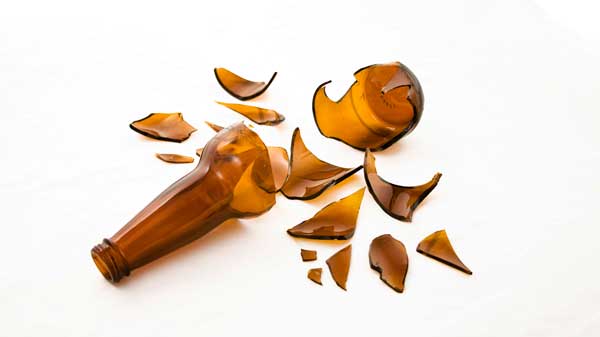
Broken beer bottle

Drink less alcohol

Drinking less doesn’t have to be about slamming on the brakes; it can be about easing up on the gas pedal. So, here are ways to cut down on alcohol consumption:

Connect with friends without drinks: Going to the bar to watch the game is fun but makes it hard to cut down on drinking. Go for walks, play a round of golf or go for a hike instead.

Identify your triggers: Knowing what triggers you to have a drink (like cracking a cold one after a stressful workday) can help you identify your habits. Once you recognize your triggers, you can start to find alternatives to reaching for a drink. Find out more about coping with stress without alcohol.

Avoid places where you feel pressured to drink: Drinking less is a habit that will develop over time. Until you’ve created a new habit, you may want to skip happy hours and avoid places where you feel pressured to drink.

Try non-alcoholic drinks: NA options have really come a long way over the last few years, especially with the boom of the craft brew industry. These days, they’re much tastier than they used to be. Check out our guide to tasty non-alcoholic beers.

Eat healthy snacks while you drink: It will give you something else to reach for instead of your glass. Plus, feeling full leaves you less room for that third beer.

Switch alcohol for exercise: Instead of reaching for a beer after work, go for a walk or a bike ride. You can get a similar good feeling from exercising as you can from drinking. Both alcohol and exercise release dopamine, which is the body’s feel-good hormone.

Measure your drinks: Here’s where a shot glass or a small wine decanter can be helpful. If you free pour, you’re more likely to overdo it. Keeping just two or three beers in the fridge at a time can also help. Being aware of how much you’re drinking will help you know when to call it a night.

Eat foods that help support a healthy liver

Just like a car needs oil changes and fluids, your liver needs good food to perform efficiently. Having a balanced diet is key to making your liver healthy again. 

Here are some foods that will help keep your liver happy and healthy:

  • Nuts: walnuts, almonds and cashews (unsalted is better)
  • Legumes: beans, lentils and chickpeas
  • Seeds: flax and pumpkin
  • Fruits: peaches, berries, apples, oranges, and plums
  • Vegetables: broccoli, cauliflower, asparagus, tomatoes, peas, and potatoes
  • Proteins: eggs and fish (the easier to digest, the better)
  • Whole grains
  • Healthy oils: olive and avocado
  • Herbs and spices: cumin, thyme, turmeric, black pepper
  • Green tea

Eating the right foods helps, but you’ll also want to eat less of the foods that can harm your liver:

  • Red meat since it’s harder for your body to digest
  • Salty snacks and high-sodium condiments
  • Processed foods and deli meats
  • Foods high in simple sugars
  • Undercooked or raw food may contain toxins that can harm the liver

Does coffee help your liver?

Many of us may be inadvertently boosting our liver health with our favourite morning ritual. Another recent study found that coffee drinkers generally had better liver outcomes than non-coffee drinkers.

Benefits showed up even with one to two cups daily, and both caffeinated and decaf coffee were linked to better liver outcomes. Although before you increase any sort of caffeine intake, it’s best you talk to your doctor first.

Signs of an unhealthy liver

Some general signs of an unhealthy liver include:

  • Tiredness, a lack of energy and general malaise
  • Low-grade fever
  • Confusion 
  • Nausea
  • Digestion issues
  • Yellowing of eyes and skin

If your car engine isn’t running properly and you ignore the signs, this can cause other problems with your vehicle. The same thing can happen with your liver. Leaving problems unchecked can lead to long-term issues such as:

  • Increased risk of heart disease
  • Increased risk of cancer
  • Increased risk of diabetes
  • Fibrosis or cirrhosis of the liver
  • Fatty liver disease
  • Becoming more prone to infections
  • Easy bruising and bleeding

Thinking of your liver as the engine of your body is a good reminder of how important it is. And, with the proper maintenance and care, your liver will keep taking care of you.

It’s July and you’ve probably already checked off these summer struggles: poor sleep due to the heat, scrambling to buy a fan off Facebook Marketplace or returning to your parked car that could easily double as a furnace. 

No, it’s not just you. According to Environment and Climate Change Canada’s forecast early in the year, 2026 is set to be one of the hottest years ever recorded globally. 

While you can’t regulate the globe’s thermostat, there’s one habit that’s key to keeping your body’s temperature in check: hydration.

Hydration isn’t one-size-fits-all

The oft-quoted advice to “drink eight glasses of water a day” has been drilled into our psyche and routine. While the intentions are good, the recommendation goes back to a 1945 U.S. Food and Nutrition Board report, which also noted that most of that water could come from food, a detail that got lost along the way.

Since that report was released the Second World War ended, the Berlin Wall fell and the rise in global temperatures has broken us all into a sweat. 

So how much water should we drink?  Roughly two to three litres is the range specialists generally point to today. But what we now know is that hydration isn’t one-size-fits-all, especially since effective hydration is closely tied to the salt found in your body

And if you’re someone with an active lifestyle or who’s taking over a soccer pitch this summer, this 2025 study of English Premier League (EPL) players demonstrates it well.

Researchers working with EPL players found that sweat sodium losses varied hugely from player to player, even under similar training conditions. Some players lost roughly twice as much sodium as their teammates during the same session. That’s a good reminder that “drink more water” isn’t always the fix. If you’re sweating heavily and still feel off, sodium (not just fluid) might be the missing piece.

Getting electrolytes into the mix

If you’re more than a casual exerciser, then you might want to consider supplementing your water intake with electrolytes. These products — usually found in powder form  — are built around a few core ingredients:

  • Sodium: The most important electrolyte to replace during exercise.
  • Potassium: The second most common addition. It’s lost in smaller amounts than sodium through sweat.
  • Chloride: Usually paired with sodium to help maintain fluid balance.
  • Carbohydrates (often in the form of sugar): Help replenish muscle glycogen (your body’s stored energy), especially during longer or more intense workouts.

You can buy electrolytes at your nearest running store or grab coconut water (it naturally carries electrolytes). Or, you can make your own at home.

A homemade electrolyte is simple:

  • 1L water
  • 1/4 tsp salt 
  • 2 tbsp fresh lemon/lime juice
  • 1.5 tbsp maple syrup (adjust to suit your taste and dietary needs)

Don’t trust thirst alone

An often overlooked part of hydrating well is “when” you take those sips. Ever felt drained and light-headed in the middle of a sweaty session despite guzzling down water? Chances are you were a bit late to the game replenishing your fluids and now you’re in the early stages of dehydration. 

Hydration starts before you feel thirsty, not after. Sports medicine guidance recommends drinking fluids steadily over the 24 hours before an activity, and roughly 500 mL around two hours before exercise. That’s so your body has enough time to absorb it. 

Part of the reason thirst isn’t a reliable signal is that it lags behind what’s actually happening in your body. One study tracking rehydration after exercise found that people’s sense of thirst returned to “normal, not thirsty anymore” before their fluid levels had actually fully recovered. 

This means if you stop drinking because “you’re not thirsty anymore” chances are your fluid and sodium levels are still below what they need to be for you to complete the exercise with optimal energy. 

So take your thirst signal with a grain of salt, literally. Since it’s not a precise signal, you’re better off sipping on your electrolytes well before an intense activity begins 

Got (chocolate) milk?

In most cases, milk (chocolate or otherwise) is used for its post-exercise recovery benefits: its 3:1 carbohydrate-to-protein ratio helps replenish glycogen and supports muscle protein repair after a workout. But a 2007 paper in the British Journal of Nutrition titled “Milk as an effective post-exercise rehydration drink” compared subjects rehydrating after exercise with either low-fat milk, milk with added sodium, a sports drink, or water.

There’s growing evidence that plain milk holds its own against water and sports drinks on this front. Because it contains protein, natural sugar (lactose) and electrolytes, it empties from the stomach more slowly, meaning more of that fluid stays in your system in the hours after exercise. 

Chocolate milk carries the same base hydration properties since it’s still milk and its added sugar gives it an extra edge for recovery, which is why it’s widely used by recreational athletes as a post-workout drink. Even non-dairy options show similar benefits.

And let’s face it — who wouldn’t want a glass of deliciously sweet iced chocolate milk as a celebratory drink after braving the heat? No matter what the activity is.

We can’t turn down Canada’s thermostat this year, but we can easily change how we handle the heat. By treating hydration as a personalized habit rather than a reaction to feeling thirsty, you’ll keep your energy high and your body safe. So grab your salt, prep your DIY sports drink and toast to making it through the hottest days of the year.

When wildfire smoke settles over a community, the danger can push past the front door.

Fine particles can enter homes, workplaces and community buildings, leaving people with respiratory conditions especially vulnerable. Commercial air purifiers can help, but they can also be expensive, difficult to find during wildfire season and costly to maintain.

The BREATHE Project offers a surprisingly straightforward alternative: Teach people how to build an effective air cleaner using a box fan, a high-quality furnace filter and duct tape.

“This project is great for people who are concerned about indoor air quality but can’t afford expensive machines or don’t want to be stuck continually buying costly replacement filters,” says project lead Dr. Anne-Marie Nicol, an epidemiologist and associate professor at Simon Fraser University (SFU). 

The project is a collaboration between SFU and the BC Lung Foundation. Its workshops aim to reach people who may be more vulnerable to poor air quality such as older adults, people with asthma or chronic obstructive pulmonary disease (COPD), and lower-income households.

But the project is doing more than clearing smoke from indoor spaces. Its hands-on approach is also providing a tangible way to take action, care for others and strengthen connections within communities.

From the pandemic to wildfire smoke

BREATHE grew out of research conducted during the COVID-19 pandemic, Nicol explains. As researchers learned more about airborne transmission, simple DIY air cleaners (also known as Corsi-Rosenthal boxes) were developed and used to remove COVID viruses from classrooms and other indoor spaces.

Source: BC Lung Foundation

Realizing that the DIY cleaners could also help address the wildfire smoke so often seen in B.C., Nicol contacted Dr. Richard Corsi, one of the engineers behind the original design, to confirm that the concept could be adapted for wildfire conditions.

A small pilot workshop quickly showed the demand across B.C. communities. Nicol and her student team encountered packed rooms, lineups and more requests than they could accommodate. “The materials have always been free at the workshops and the response has been overwhelming,” she says.

The project eventually received provincial support to distribute materials for approximately 1,700 air-cleaner units and bring workshops to communities around the province.

Why men have embraced the project

Although BREATHE wasn’t created specifically for men, Nicol has noticed that men are often among its most enthusiastic participants and advocates.

Some are retired engineers, tradespeople, hobbyists or natural DIYers who enjoy the technical nature of the workshop. The basic construction process gives them a clear task, a useful finished product and knowledge they can pass along to others.

More importantly, it offers a sense of free will.

Abbotsford residents learning to construct their own air cleaner

“Climate-related emergencies can leave people feeling anxious and powerless,” Nicol says. “Wildfire smoke is visible, difficult to escape and increasingly common. Building an air cleaner gives people something practical they can do to protect themselves and the people they care about. For men in particular, it’s about agency and being able to take on some responsibility and control over what is happening.”

Men have frequently arrived at workshops with wives or family members who have COPD, asthma or other health concerns. In seniors’ complexes, some participants have gone on to build additional units for neighbours who could not easily make their own.

Nicol says she repeatedly sees tech-savvy men become unofficial workshop assistants by helping older adults or participants with arthritis assemble their units. “It’s about agency and compassion and equity,” she says.

That combination matters. Men are often encouraged to support their health through habits such as exercising more, eating well or seeing a doctor. BREATHE shows that health-promoting action can also be communal: learning a skill, protecting a family member and using your abilities to help someone else.

One man’s lasting contribution

Among the participants who stand out to Nicol is Rick Medley, who is living with advanced COPD and needs a double-lung transplant.

Despite his own serious condition, Rick became deeply committed to helping others breathe more easily. He and his daughter waited for materials to go on sale, built six air cleaners and donated them to children with asthma.

“He was so taken with this project,” Nicol says. “He has continued to do this while he’s still alive.”

His story captures the spirit BREATHE can inspire. A person facing an overwhelming health challenge found a manageable, meaningful way to improve the lives of others.

The workshops have also attracted support from firefighters and fire chiefs. At one recent event on Cortes Island, fire trucks were moved out of the hall so tables could be set up for community members. Some of the completed units were then donated to people who had difficulty leaving their homes.

Nicol believes fire departments have the potential to play a larger role in teaching people how to protect themselves from smoke.

More than an air cleaner

A BREATHE workshop provides a physical product, but its benefits don’t stop there.

Participants work beside neighbours, ask questions and share their own experiences with wildfire smoke and its risks. Organizers have learned to book rooms for longer than the project requires because people often stay afterward to talk. “People are lonely, and they’re not used to seeing their neighbours. This brings people together in an unthreatening way,” Nicol adds.

The project has also worked with a Men’s Shed, part of a broader movement that brings guys together around tools, repairs and shared projects. These environments can support mental and social well-being without requiring men to directly discuss their feelings.

Instead, conversation develops naturally while people work toward a common goal.

“BREATHE workshops are tactile, and participants leave with the satisfaction of having solved an immediate problem,” Nicol says, adding that she frequently leaves the sessions feeling inspired by the cooperation and generosity she witnesses.

Taking action before the smoke arrives

When it comes to wildfires, Nicol’s most important advice is to prepare early. When smoke begins affecting a region, commercial air cleaners and replacement filters often sell out. People should purchase the necessary materials before conditions worsen, particularly if someone in the household has asthma, COPD or another respiratory condition.

The BREATHE design uses an inexpensive MERV 13 furnace filter — available in just about every home improvement store — matched with an appropriate fan. Nicol cautions that the specifications matter: a stronger filter or weaker fan will not necessarily produce better results. 

The project’s smaller units are generally suited to bedrooms or similarly sized spaces. Larger rooms may require multiple units or a larger Corsi-Rosenthal design with four filters and one fan.

Air filtration can also help beyond wildfire season by reducing pollen, dust and other small airborne particles. Canadians spend much of their lives indoors, yet indoor air quality is frequently overlooked.

“There’s this concept that your house is a safe space,” Nicol says. But smoke from wood stoves, cooking emissions, candles, incense, outdoor traffic pollution, and other contaminants can all affect indoor air quality.

A model that could spread across Canada

Nicol would eventually like to see free BREATHE workshops offered every spring in wildfire-prone communities across Canada.

The project has already developed a train-the-trainer model so municipalities, nonprofit organizations, community groups and local leaders can host workshops themselves. Its resources are designed to be shared, adapted and put into practice without Nicol or her immediate team having to lead every session.

Scaling the model would help address a growing health problem: Wealthier households tend to have an easier time purchasing AC systems and/or travelling away from smoke, while lower-income homes meet more barriers when doing the same. Seniors and those living with disabilities or chronic health conditions also tend to have fewer options.

“One fan, one filter and one roll of tape may seem like modest tools,” Nicol says, “but in the hands of an engaged community they can become a powerful expression of care.”

This article was originally published in 2022 and has been updated to include new research with around the clock tips.

We’ve all been there. A sudden summer heatwave rolls in, the air turns into a sauna and you realize your apartment doesn’t have air conditioning or the machine has just died. Getting out for work or down for a good night’s sleep ends up feeling like an Olympic sport.

That said, I often hear that hot weather makes it difficult to work and sleep. Keeping your cool in a heatwave isn’t just about what you do when your body starts to overheat. To beat the heat, you need to manage your body temperature and your environment 24/7.

Here’s your science-backed, AM-to-PM guide for surviving a heatwave and getting some cooling relief — no AC required.

The A.M. list: daytime prep to keep temps low

Winning the battle against heat starts the moment the sun comes up. Using these morning and afternoon strategies will prep your body and your home.

1. Execute a morning blackout

Before you head out the door or log on to work, close your windows, blinds, and curtains. About 30% of unwanted heat enters your home through your windows. By blocking the greenhouse effect early in the day, you trap the cooler morning air inside and keep the midday solar radiation out.

2. Practice “precooling” before peak heat

If you have to be active or step outside during the day then don’t wait until you’re overheating to try and cool down. It turns out “precooling” (a.k.a. actively lowering your body temp before heat exposure) drastically improves how well your body regulates its temperature as the day goes on.

How you can do it: Sip iced drinks or apply a cold, damp towel to your neck and wrists before you start feeling miserably hot. Just be careful not to cool yourself down too much or on muscles you’re actively about to use.

3. Eat light and lean (and ditch the heavy meals)

Your body generates heat just by digesting food. So when you eat massive, protein-heavy meals or greasy comfort foods they require a ton of energy to break down and cause your internal thermostat to spike. Stick to lighter, water-rich foods during a heatwave — think salads, grilled chicken, fruit smoothies and chilled soups.

4. Hydrate for sweating efficiency

Sweat is your body’s built-in AC, but it only works if you’re properly fueled. Drink water consistently throughout the day so your body has the fluid reserves it needs to sweat efficiently when you’re trying to cool off later. Just be sure to taper off your liquid intake about two hours before bed so you aren’t waking up for middle-of-the-night bathroom trips.

5. ‘“MacGyver” some free AC

While the infamous MacGyver never rigged up an air-conditioning system (that we know of), he could have with nothing but a fan and a bunch of ice packs or frozen water bottles. Place the frozen items about six inches in front of the fan and hey presto: free AC! 

As the ice melts the fan will pick up the chilled air to create a cool, refreshing breeze that mimics a premium swamp cooler. Rotate items back in the freezer so you’re ready for the next session. 

The P.M. list: nighttime tactics for deep sleep

Don’t let the heat disrupt your sleep. When the sun goes down, it’s time to optimize your sleep environment and trick your body into a state of deep, cool relaxation. 

6. Deploy the “3x cooling formula”

Don’t just turn on a fan and hope for the best. To cool a room without AC you need to combine low-energy air movement with the right fabrics.

Combining low-energy airflow (like a standard pedestal or ceiling fan) with lightweight, breathable bedding seriously reduces nighttime heat. This combo is three times more effective at keeping you cool than just using a fan alone.

So, strip your bed down to a single 100% cotton or bamboo top sheet, ditch the polyester blends and set up your fan to keep air circulating across the bed.

7. Avoid the over-cooling trap

While you want a good breeze to fall asleep, blasting a high-speed fan directly at your face all night can actually backfire.

Because our bodies can’t actively adjust our blankets or clothes while we sleep, continuous high-speed direct airflow can cause core body temperatures to drop too low in the early morning. This sudden drop triggers a mild stress response, disrupts your immune system and wakes you up.

Be sure to set your fan to an oscillating setting on a low or medium speed. This keeps the air in the room moving without constantly shocking your body with direct, high-velocity wind while you sleep.

8. Take a lukewarm (not freezing) shower before bed

A freezing cold shower sounds amazing when you’re sweating but it actually causes your blood vessels to shrink, trapping heat inside your core. Instead, take a lukewarm shower. As you step out into the room the water will evaporate off your skin, naturally mimicking your body’s natural trigger for sleep. Making for a gradual drop in core temperature.

9. Stroll before sleep

Instead of staring at a screen, take 30 minutes to enjoy the long summer days by taking a pre-bed stroll. It’s a great way to wind down and make the most of warm summer evenings. You’ll miss them when they’re gone!

10. Let darkness reign

The human body is programmed to wake when it’s light and sleep at night. To prevent interruption of this natural sleep cycle, keep your bedroom dark with heavy curtains and cover the LED lights in your electronics; even before the sun goes down during those longer days.

10. Go dark before bed

Another advantage of an evening walk is that spending time in a darkened environment, indoors or out, gives your mind and body the cue that it’s time for slumber. Chilling on an unlit porch, patio, or deck is another great way to savour the season and put your mind at ease.

What to remember

All you really need to know is that you’ve got a whole toolbox of ways to keep your cool. So this summer, be sure to keep an eye on the forecast and have the strategies that work best for you ready!

Every year when Pride Month rolls around, I’m reminded of something I once heard a friend say: for many gay men, Pride is our Christmas.

On the surface, the comparison sounds lighthearted. Pride is a season of celebration. There are parades, festivals, really cool parties, reunions and chosen family gatherings. People travel across countries and continents to be with friends. There is no shortage of colour, good music, anticipation, genuine joy and always lots of glitter!

But the analogy resonates for another reason. Like Christmas, Pride can also be emotionally complicated and rooted in stress and anxiety – even dread.

Because for every queer person celebrating with friends and loved ones, there is someone feeling lonely and “lesser” in the crowd. For every smiling photo posted to Instagram, there is someone wondering why they still feel disconnected. For every person dancing in the streets, there is another carrying grief, rejection, uncertainty or a nagging sense that they still haven’t quite found where they belong.

It’s not uncommon for queer people to question their existence. Recent research shows that among Canadian men, those who are Two-Spirit, gay, bisexual, transgender and queer are disproportionately impacted by suicidality.

Coming out was just the beginning

This Pride Month is especially meaningful for me because it marks 10 years since I came out and began living authentically as a gay man. In some ways, it feels like yesterday. In others, it feels like a lifetime ago.

When I came out in 2016 on the cusp of my 30th birthday, I believed the hardest part was behind me. I imagined that once I accepted my sexuality and shared it with the world, everything else would naturally fall into place. I assumed I would quickly build a large network of gay friends. I thought dating would become easier. I believed I would finally feel like I belonged.

But life proved more complicated. In hindsight, coming out wasn’t a destination, but rather the beginning of a long, difficult, yet exciting journey.

Today, I can say with confidence that living authentically has brought freedom, growth, community and countless opportunities that would never have been possible had I remained in the closet. Yet becoming more authentic hasn’t erased my struggle; it has changed the nature of it.

One of the most surprising lessons for me over the past 10 years is that loneliness doesn’t disappear simply because you come out. In fact, many queer people discover that coming out introduces entirely new questions about identity, belonging and connection.

Two years ago, I wrote a personal essay sharing that I’ve often felt like a misfit within my own community. Even after embracing my sexuality, I struggled to find where I fit: I wasn’t the person who came out in high school, nor do I share many of the formative experiences that shaped the lives of other gay men my age. In short, I’ve often felt like I arrived late to a party that everyone else already understood.

For years, I worried there was something wrong with me. But as I approach 40, I’m at peace with who I’ve become. There are countless ways to be gay, queer or trans. There is simply no single way of belonging. The older I get, the more I understand that authenticity isn’t about fitting into a community’s expectations; it’s about having the courage to show up as yourself.

More connected than ever, yet more alone

Source: Andrew Perez

This lesson feels especially relevant today. We live in a world that is simultaneously more connected and more disconnected than ever before.

The pandemic fundamentally changed how many of us relate to one another. Remote and hybrid work reduced everyday opportunities for social interaction. Many physical community spaces struggled or disappeared altogether. At the same time, our lives have become increasingly digital.

Today, we can communicate instantly with people around the world, yet many of us have never felt more alone. This paradox is especially pronounced within queer communities in big cities like Toronto where I live. 

Dating and hook-up apps have become community spaces while social media often functions as our primary source of connection. We are constantly observing one another, liking one another’s content, messaging one another and comparing ourselves to one another.

But observation isn’t the same thing as connection; visibility isn’t the same thing as belonging; and attention isn’t the same thing as intimacy.

The reality behind the Instagram grid 

I know this because I’ve lived it. There have been moments over the past decade when I’ve felt deeply connected to the queer community while serving in volunteer leadership roles that have brought me purpose: roles like Chair of the Fife House Board of Directors or spokesperson for Toronto’s iconic Pride and Remembrance Run. 

These rich experiences have grounded me in something much larger than myself.

But there have also been moments when I’ve sat alone scrolling through social media during Pride Month, wondering why everyone else appeared to be having a better experience than I was. The truth, of course, is that social media rarely tells the whole story. Behind the perfectly curated Pride photos are insecurities, heartbreaks, anxieties and struggles that most people never post online. 

Pride can bring many of those emotions to the surface. For some people, Pride highlights a lack of connection. For others, it reinforces body image pressures that have long existed within parts of the gay men’s community. Many gay men feel immense pressure to attend every event, every party and every gathering. I’ve certainly been no stranger to these pressures in recent years.

Others struggle with the realities of a nightlife culture that often places a premium on alcohol and recreational drug use. The reality is that when it comes to this month, two things can be true at the same time: Pride can be the most affirming time of year, but it can also be the most alienating.

Why Pride still matters

There is still a common misconception among many Canadians that because we achieved marriage equality two decades ago, the struggle for 2SLGBTQ+ inclusion is largely over.

It isn’t. Yes, we have made extraordinary progress. But queer and trans people continue to navigate family rejection, workplace discrimination, social isolation and growing political hostility directed at our communities. Across North America and around the world, we are witnessing a resurgence of anti-2SLGBTQ+ speech, particularly toward transgender people.

Many young people are still asking themselves the same questions I asked myself a decade ago: Will my family accept me? Will my friends stay? Will I still belong? Will my life be okay?

What I would tell my younger self

Source: Andrew Perez

If there is one message I could offer my younger self, it’s this:

You don’t need to have it all figured out, or fit neatly into someone else’s definition of queer just to deserve love, friendship and a sense of belonging. The goal isn’t perfection — it’s authenticity.

As I mark a decade living authentically, I find myself reflecting less on visibility and more on connection. Less on fitting in and more on showing up honestly. Less on being accepted by everyone and more on accepting myself.

Maybe that’s what Pride is ultimately about. Not so much about the cool parties or the sexy photos, but about genuine connection and the courage to see one another fully and be seen in return. Because at its best, Pride isn’t merely a celebration. It’s a reminder that none of us were ever meant to navigate this journey alone.

Being a gay man is one of my life’s greatest blessings. Making the extremely difficult decision to come out and live authentically a decade ago was the best decision I’ve made in my 40 years.

Navigating the twists and turns of the gay experience has been both challenging and extremely rewarding. But through it all, I feel enriched, more empathetic and grateful for what my community has taught me as I continue down my journey of seeking connection. 

About a year ago, I started a grueling cross-country marathon that pushed my body past its breaking point. Today, I’m finally feeling what I call “back to normal”.

Running across Canada for mental health ironically took a massive toll on my own wellbeing. For a long time after the finish line I was physically and mentally exhausted. But the recovery process taught me a hard lesson: sometimes the most productive thing you can do for your health is to completely stop, rest and reset.

View this post on Instagram

A post shared by Sach Latti (@sach.in.motion)

That’s why I’m joining the Canadian Men’s Health Foundation (CMHF) as a National Champion. For me, this role isn’t a vanity badge or a pat on the back. It’s a partnership built on credibility and collaboration.

Facing hard things face-first

Going back even further —  to 2019 — my life looked very different. I was navigating a career in border security, a difficult divorce and immense life stress. Like a lot of guys my primary outlets were purely physical. Lifting weights and training in jiu-jitsu were my go-tos.

Then the pandemic hit and those outlets changed dramatically overnight. Without the gym or the mats I found myself relying on drinking to cope. Realizing I needed a drastic change as well, I grabbed a copy of David Goggins’ book Can’t Hurt Me. The core message about chasing adversity really stuck with me.

I didn’t start running because I loved it. I started because I absolutely hated it, but I wanted to face my own adversity head-on. While the average guy might not relate to bodybuilding or martial arts, I knew everyone could understand the raw struggle of running even a single kilometre.

And boy did I ever run with that idea. From 2020 to 2025 I ran a total of 21,000 kms. That included tons of training to get me ready alongside the big race challenges I also took on.

When I started my run last year it was meant to be a coast-to-coast trip of 7500 kms. Then my crew chief, Glen, and I made a drastic shift. Instead, we dropped the daily distance from 100 to about 55 kms a day across 55 cities so we could run to people, not past them. Even with that I still ended up running over 70 ultramarathons worth of races in one go.

View this post on Instagram

A post shared by Sach Latti (@sach.in.motion)

The result? Strangers began approaching our RV at every stop, eager to open up about what’s been weighing on them. I didn’t think we’d have that many people come. We were just there to listen.

To date I’ve been able to collect roughly $300,000 donations for mental health. True to my own style, I don’t plan on stopping there.

Deconstructing my mental health toolkit

During my own recovery I dove deep into mental health practices. From there, I began looking at things like anxiety and depression differently. I began to realize they aren’t a permanent, unchangeable state of existing — they’re complex responses to life challenges.

I sometimes struggle with these things still. I’ve been diagnosed with depression and it reminds me that I need to pay attention to my own body and mind with whatever I do.

When it comes to treating those challenges we need to remove the shame around tools like therapy or prescriptions from your doctor. If you break your leg you need a cast and crutches to heal. Medication can be a vital, short-term support when you’re in a dark place. Eventually, the cast comes off and you need a long-term lifestyle program to keep you moving forward.

Here’s what my daily mental fitness toolkit looks like:

  • Varying Physical Discipline: I change my activities every now and again to help introduce new and exciting challenges.
  • Nature Immersion: Getting outside helps me clear my mind and restore mental fatigue.
  • Structured Mindfulness: Making quality time to sleep or reset helps me manage anxiety spikes and regulate myself.
  • Honest Human Connection: Sitting down with like-minded guys over a coffee or on the jiu-jitsu mats breaks down the walls of loneliness.

Fatherhood at the halfway mark

At 48 years old, I’m a single dad to a nine-year-old daughter. Recently, it hit me that I’m exactly at the halfway mark of her childhood before she turns 18.

Knowing that a child’s psychological foundation forms heavily during the early years, I’ve shifted my priorities. I live just five minutes away from her and actively protect my parental schedule. Grand public gestures have taken a backseat to the small, vital moments like showing up for soccer practices, and going to her games while making sure I’m really there when I show up.

Balancing community-level advocacy with family presence is how I choose to model what it means to be a capable man while prioritizing connections that mean the most to me.

View this post on Instagram

A post shared by Sach Latti (@sach.in.motion)

Progress over perfection

I didn’t figure everything out overnight. My path has been full of mistakes. I used to think being a “hard charger” meant going full throttle 100% of the time, but strength also means knowing when to pause.

Improving your overall health can be simple, if you allow it to be. For me it began with the willingness to stop running away from my problems. Whether that means connecting with a friend, stepping outside or asking for help, you just have to start today.

In 2020, John Armstrong made a deal with a colleague. The colleague had been putting off seeing a doctor, and so had John. They made a simple pact: if you go, I’ll go.

Turns out, the appointment that followed caught John’s prostate cancer just in time.

That pact is a part of why the Canadian Men’s Health Foundation (CMHF) is asking people to put their Suspenders On this men’s health month. Listen to what John, and others, had to say about it. These aren’t fundraising stories. They’re stories about men who knew, or whose families knew and waited too long anyway.


Guys can be known for staying quiet and holding everything in. That can lead to important things going unnoticed, and their health shouldn’t be left to chance. Just like trying to rely on your pants to stay up by themselves, sometimes you need a little extra reinforcement before things fall apart.

The story behind the suspenders

The idea was created with the help of John Armstrong and Graham Love. While brainstorming a fun way to raise funds for the cause, Graham was hit with a memory of his late grandfather — a Scottish shipbuilder who famously lounged on the beach in nothing but oversized trousers and a trusty pair of suspenders.

It clicked instantly. “Suspenders. We’ll ask people to wear suspenders.”

man on beach in suspenders

Whether you’re a high-performing corporate executive, a professional athlete or a tradesperson swinging hammers on a job site you can identify with the pressure to maintain a tough exterior. Often men see self-reliance and grit treated as badges of honour. In reality, ignoring problems can cost you your health, your family, or your life.

The truth? You can be high-performing and struggle. It isn’t a sign of weakness to admit it; it’s a sign of leadership.

They work because people ask

Suspenders get noticed. And when someone asks why you’re wearing them, you’ve already started the conversation most of us never have — about a friend who should see a doctor, someone you’ve lost, or just the fact that men’s health matters. That’s the whole idea. The suspenders start it. You take it from there.

Who are you wearing them for?

But the campaign’s deeper meaning came from what people started wearing them for.

Graham Love is wearing his suspenders for his late brother, Andrew, who passed away from liver cancer — a tragedy that might have been prevented with an earlier checkup.

John Armstrong is wearing his for the men living on our streets who never got the support they needed. John is also a prostate cancer survivor who only caught his illness because he made a pact with a worried colleague to go get checked together.

Andrew Jackson of Jackson Events,  who’s rallying NHL alumni to the cause, wears his suspenders in memory of his close friend, Dale Hawerchuk, who passed away from stomach cancer. Dale made Andrew promise he would go see a doctor. Andrew thinks about that promise every day.

From hockey players in Moncton to construction crews on local job sites, people are noticing that when it comes to the well-being of guys, the cracks are starting to show. It’s time we lift each other up.

No suspenders? No problem.

NHL Alumni Wendell Clark with his Suspenders On

You don’t need to buy a brand-new pair of fancy suspenders to participate. The spirit of this campaign is all about improvisation and leveraging what you’ve got.

  • Got an old pair of bungee cords? Throw ‘em over your shoulders.
  • Not playing hockey this weekend? Repurpose those skate laces as suspenders.
  • Want the real deal? Grab a pair from Lynn Valley Manufacturing (the official Canadian makers who once made suspenders for the Red Green Show!), where $10 from every pair sold goes directly to CMHF.

Take action this month

We don’t have to struggle alone. This month, let’s turn a groundswell of awareness into a tsunami of real action.

  1. Snap a photo rocking your suspenders and post it with #SuspendersOn
  2. Donate to the Canadian Men’s Health Foundation to fund vital health programs.
  3. If a buddy opens up to you, you don’t need to fix anything. Just listen.
  4. Wear them somewhere people will ask.

Let’s bring back suspenders, listen to that little voice in the back of your head, and give your health the support it deserves.

JOIN OUR NEWSLETTER

Get Simple Expert Health Tips Delivered to Your Inbox in Our Monthly Newsletter.

Canadian Men's Health Foundation

Inspiring men to live healthier.

The Canadian Men’s Health Foundation recognizes and acknowledges the First Nations, Inuit and Métis land on which we work and live across Canada.

Important Links

Contact Us Partnership Opportunities Terms of Use Privacy Policy

Contact Us

604-737-2990

The Canadian Men’s Health Foundation is a registered national charity. We rely on support from donors to help with our mission: 
inspiring men to live healthier lives. Your contribution will support men’s health programming, tool development, and research.

DONATE NOW

Copyright © 2026 Canadian Men’s Health Foundation. All Rights Reserved.
Charitable Registration # 819747080RR0001
Site Maintained by Frank Strategy

  • Facebook
  • X
  • Instagram
  • LinkedIn
  • YouTube
  • RSS Feed
Scroll to top
Donate
  • Start Here
    • Articles
    • Men’s Health Check
    • MindFit Toolkit
    • Don’t Change Much Podcast
  • Learn
    • Men’s Health Research
    • Men’s Health Conditions
    • Men’s Health Checklist
    • Healthy Eating Guide
  • National Champions
  • About
    • About Us
    • Our Partners
    • Our Team
    • Press Releases
    • Careers
    • Rick Blight Scholarship
  • Ways to Give
    • Donate Today
    • Start a Team Fundraiser
    • Start a Fundraising Event
    • Partnership Opportunities
    • Donor Profile
    • Suspenders On
  • Français
Facebook Instagram X