
This article was originally published in 2022 and has since been updated to include new research and findings.
Your liver is one of the only organs that can regenerate itself, and if damage isn’t extensive it can heal in a few weeks to a few months. The most effective things you can do to help it are drinking less alcohol, eating liver-supporting foods, and catching warning signs early. If you think of your body as a car, your liver would be the engine — it’s the power source of the body.
Key takeaways
- Your liver can regenerate. Its cells divide and rebuild until it returns to normal size, and mild damage can heal in weeks to months.
- Keeping alcohol in check is the single most important thing you can do for your liver.
- Coffee is linked to better liver outcomes, with benefits appearing at just one to two cups a day (caffeinated or decaf).
- Foods like nuts, legumes, leafy vegetables, fish and olive oil support your liver; red meat, processed foods, and high-sodium or high-sugar foods strain it.
- Early warning signs include persistent fatigue, nausea, digestive issues, and yellowing of the skin or eyes.

What does the liver do?
The liver performs hundreds of vital bodily functions. Yes, it removes harmful substances, but that’s just the tip of the iceberg. Here are a few of the liver’s most important roles:
- Digestion – The liver helps support proper digestion. It’s where bile is produced, and bile is a fluid that is essential in fat absorption. If the liver isn’t working correctly, your digestion won’t either.
- Maintain metabolic balance – One of the liver’s many jobs is maintaining metabolic homeostasis, which means balancing oxygen and glucose uptake. For example, the liver will ensure there’s not too much or too little glucose in your bloodstream. It creates the right balance for optimum performance.
- Protein and hormone creation – The liver synthesizes proteins and hormones, which perform important bodily functions.
- Reducing inflammation – There is a protein produced by the liver that can help reduce chronic or low-grade inflammation. This protein has anti-inflammatory and cell-protecting properties.
- Neutralize toxins – The liver helps eliminate toxins from your body by breaking down harmful substances and then excreting them.
Can the liver really repair itself?
Yes. The liver is one of the only organs that can regenerate itself. The cells in the liver can change and divide until the liver returns to its normal size, meaning it can heal itself even after damage.
However, it does depend on how much damage has been done. If the damage is not extensive then your liver can heal in a few weeks to a few months. Your best chance to activate those regenerative powers is before you develop any long-term issues like fibrosis, cirrhosis and fatty liver disease.
However, new research has shown that liver regeneration (after surgery) isn’t as successful as once believed. The good news is that the same study showed a common anti-bleeding medication lowered the risk of liver failure after surgery by three times.
It’s a good reminder that even one of the body’s strongest organs still has secrets that ongoing research is opening new doors to.
How you can keep your liver healthy
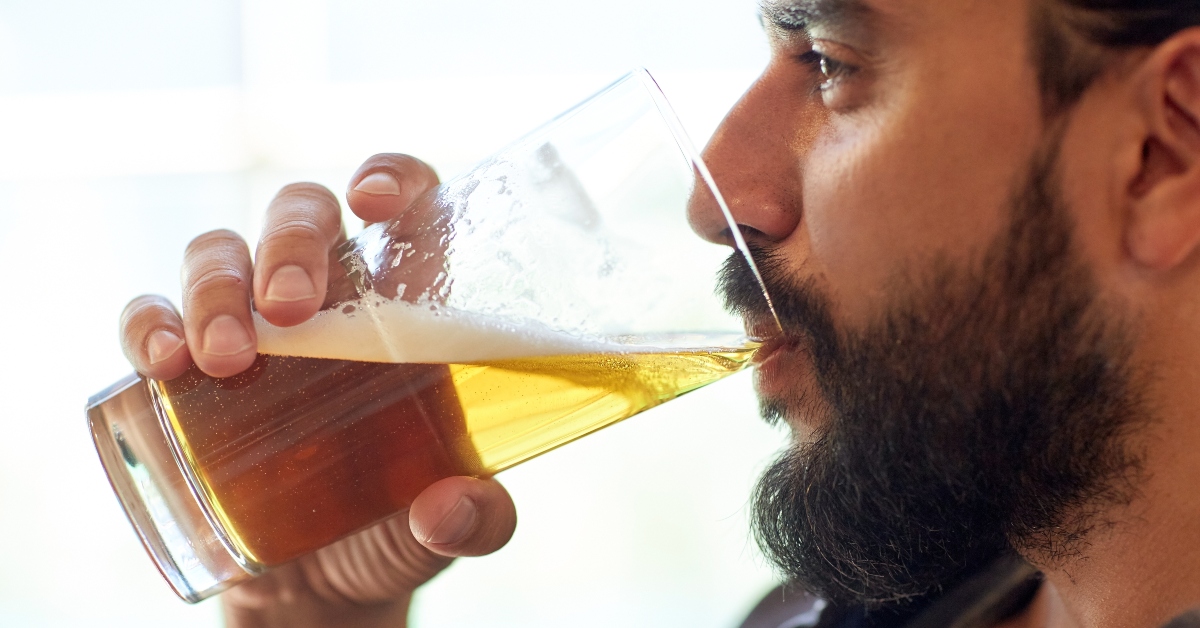
Preventative work starts at home, and the highest-impact change is keeping alcohol consumption in check. Excessive alcohol can worsen conditions like high blood pressure, fatty liver, gout, obesity and diabetes. Drinking in moderation is essential to keeping your liver healthy.
Regularly consuming a lot of alcohol puts your liver into overdrive while trying to break it down and get rid of it. There’s only so much of it your liver can detoxify at a time. Over time, your liver loses the ability to process alcohol if you often drink excessively.
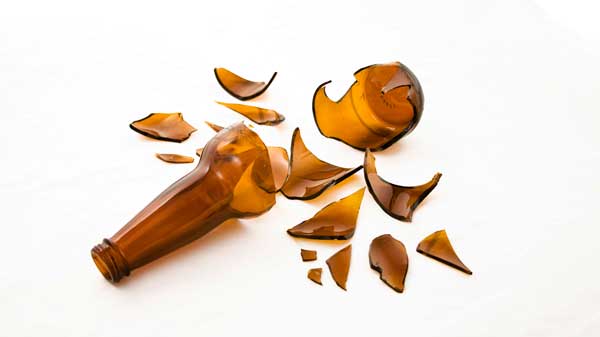
Drink less alcohol
Drinking less doesn’t have to be about slamming on the brakes; it can be about easing up on the gas pedal. So, here are ways to cut down on alcohol consumption:
Connect with friends without drinks: Going to the bar to watch the game is fun but makes it hard to cut down on drinking. Go for walks, play a round of golf or go for a hike instead.
Identify your triggers: Knowing what triggers you to have a drink (like cracking a cold one after a stressful workday) can help you identify your habits. Once you recognize your triggers, you can start to find alternatives to reaching for a drink. Find out more about coping with stress without alcohol.
Avoid places where you feel pressured to drink: Drinking less is a habit that will develop over time. Until you’ve created a new habit, you may want to skip happy hours and avoid places where you feel pressured to drink.
Try non-alcoholic drinks: NA options have really come a long way over the last few years, especially with the boom of the craft brew industry. These days, they’re much tastier than they used to be. Check out our guide to tasty non-alcoholic beers.
Eat healthy snacks while you drink: It will give you something else to reach for instead of your glass. Plus, feeling full leaves you less room for that third beer.
Switch alcohol for exercise: Instead of reaching for a beer after work, go for a walk or a bike ride. You can get a similar good feeling from exercising as you can from drinking. Both alcohol and exercise release dopamine, which is the body’s feel-good hormone.
Measure your drinks: Here’s where a shot glass or a small wine decanter can be helpful. If you free pour, you’re more likely to overdo it. Keeping just two or three beers in the fridge at a time can also help. Being aware of how much you’re drinking will help you know when to call it a night.
Eat foods that help support a healthy liver
Just like a car needs oil changes and fluids, your liver needs good food to perform efficiently. Having a balanced diet is key to making your liver healthy again.
Here are some foods that will help keep your liver happy and healthy:
- Nuts: walnuts, almonds and cashews (unsalted is better)
- Legumes: beans, lentils and chickpeas
- Seeds: flax and pumpkin
- Fruits: peaches, berries, apples, oranges, and plums
- Vegetables: broccoli, cauliflower, asparagus, tomatoes, peas, and potatoes
- Proteins: eggs and fish (the easier to digest, the better)
- Whole grains
- Healthy oils: olive and avocado
- Herbs and spices: cumin, thyme, turmeric, black pepper
- Green tea
Eating the right foods helps, but you’ll also want to eat less of the foods that can harm your liver:
- Red meat since it’s harder for your body to digest
- Salty snacks and high-sodium condiments
- Processed foods and deli meats
- Foods high in simple sugars
- Undercooked or raw food may contain toxins that can harm the liver
Does coffee help your liver?
Many of us may be inadvertently boosting our liver health with our favourite morning ritual. Another recent study found that coffee drinkers generally had better liver outcomes than non-coffee drinkers.
Benefits showed up even with one to two cups daily, and both caffeinated and decaf coffee were linked to better liver outcomes. Although before you increase any sort of caffeine intake, it’s best you talk to your doctor first.
Signs of an unhealthy liver
Some general signs of an unhealthy liver include:
- Tiredness, a lack of energy and general malaise
- Low-grade fever
- Confusion
- Nausea
- Digestion issues
- Yellowing of eyes and skin
If your car engine isn’t running properly and you ignore the signs, this can cause other problems with your vehicle. The same thing can happen with your liver. Leaving problems unchecked can lead to long-term issues such as:
- Increased risk of heart disease
- Increased risk of cancer
- Increased risk of diabetes
- Fibrosis or cirrhosis of the liver
- Fatty liver disease
- Becoming more prone to infections
- Easy bruising and bleeding
Thinking of your liver as the engine of your body is a good reminder of how important it is. And, with the proper maintenance and care, your liver will keep taking care of you.

ARE YOU AT RISK?
Learn your risk level for the most common men’s health conditions in 10 minutes with a free, confidential, and personalized report.






I Quit alcohol.
That is the best way to make your liver healthy again!
~ From the Don’t Change Much team
I had an EMG for my CARPAL SYNDROME & my right arm & hand are still tight &cold—no change—nerves still blocked, feelings still there !
any suggestions ?
Unfortunately we can’t provide specific medical advice for you in the comments here. The best thing to do is check-in with your GP. Best of luck!
~Canadian Men’s Health Foundation team member
I thank you for this information. It we’ll be good for me going forward . I thought I was eating healthy ,but I thank I can do even better with this info too . Thanks very much.
No – I’m a woman at 88 yrs old do not drink . Never have (odd time) . Eat basicly healthy foods. What sort of doc. do I see for this. Although this has happens rarely is it something to worry about.
The best place to start is with your family doctor or a walk-in clinic. There are also online options like, TELUS Health MyCare, where you can ask a doctor questions from the comfort of your home.
~Canadian Men’s Health Foundation team member